

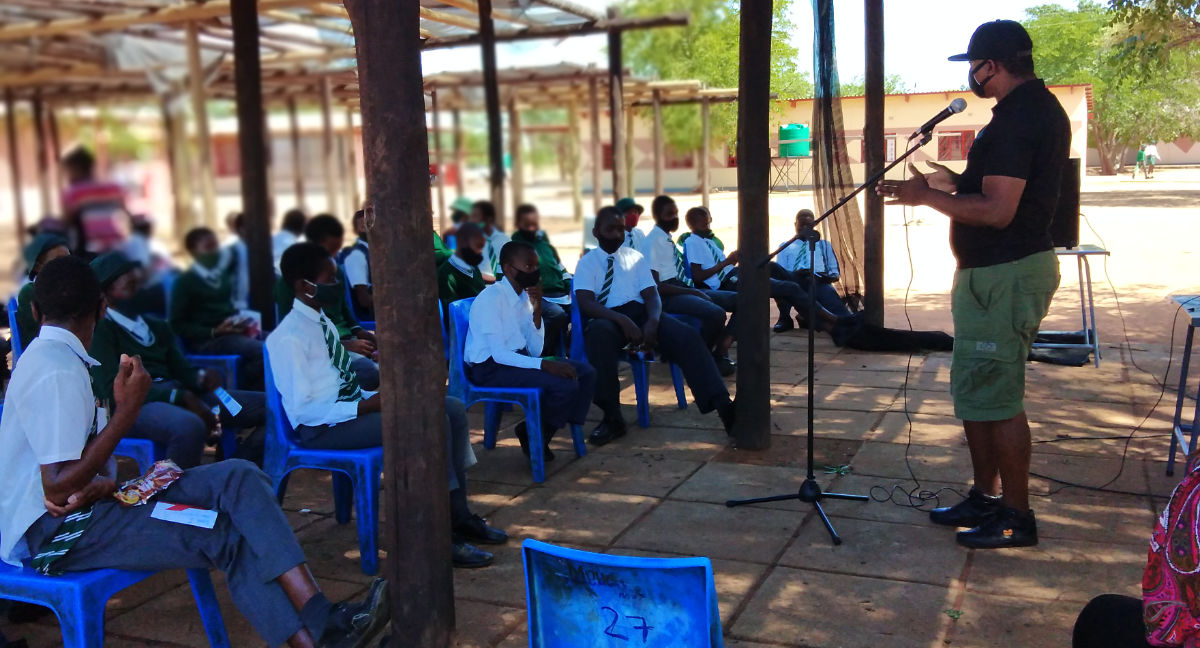
Information campaign to inform about the affect of smoking

While Botswana has since made progress by ratifying the Framework Convention on Tobacco Control (FCTC) and amending the Control of Smoking Act (CSA) to be compliant to three of the provisions of the FCTC, there is still much to be done to reduce the consumption of tobacco and its effects on the health and economy of the country.

High prevalence of tobacco use among youth, limited awareness on the risks associated with tobacco use, limited capacity of non-state actors working in Tobacco Control initiatives characterize the Tobacco Control scene in Botswana. Tobacco consumption is still a cause of concern in the country, especially as we face high risks of tuberculosis and respiratory infections mainly related to high HIV-AIDS infections. With Covid 19 in the picture as well, tobacco use is a serious threat.

Tobacco has become a substance of choice for many young people, most of which have resorted to using tobacco substances to be able to ‘fit in’ and look ‘cool’ when they are around their peers. It is currently easily accessible and this brings about devastating impacts on peoples’ health, the environment as well as the economy. Even though Tobacco is linked with poverty and underdevelopment, something that has been evident in the communities we work in as we continue mobilising people in and around Hukuntsi and Ghanzi, it is also a substance highly used by people who are well off, most commonly in the form of ‘hubbly’.

In attempting to address the high use of tobacco in Botswana, the Tobacco project is based on raising public awareness on health effects to tobacco use and consumption through public campaigns, stakeholder engagements, workshops and addressing institutions such as schools and work places. Through this project, we look to increase awareness on Tobacco Control policies and the negative effects relating to tobacco use in Botswana, and strengthen human and institutional capacity for effective engagement in Tobacco Control interventions in Botswana.

  • 11,730 people sensitized on the dangers of tobacco smoking
  • 30, 116 people sensitized and awareness raised on dangers of tobacco smoking 28.
Information campaign to inform about the affect of smoking

While Botswana has since made progress by ratifying the Framework Convention on Tobacco Control (FCTC) and amending the Control of Smoking Act (CSA) to be compliant to three of the provisions of the FCTC, there is still much to be done to reduce the consumption of tobacco and its effects on the health and economy of the country.

High prevalence of tobacco use among youth, limited awareness on the risks associated with tobacco use, limited capacity of non-state actors working in Tobacco Control initiatives characterize the Tobacco Control scene in Botswana. Tobacco consumption is still a cause of concern in the country, especially as we face high risks of tuberculosis and respiratory infections mainly related to high HIV-AIDS infections. With Covid 19 in the picture as well, tobacco use is a serious threat.

Tobacco has become a substance of choice for many young people, most of which have resorted to using tobacco substances to be able to ‘fit in’ and look ‘cool’ when they are around their peers. It is currently easily accessible and this brings about devastating impacts on peoples’ health, the environment as well as the economy. Even though Tobacco is linked with poverty and underdevelopment, something that has been evident in the communities we work in as we continue mobilising people in and around Hukuntsi and Ghanzi, it is also a substance highly used by people who are well off, most commonly in the form of ‘hubbly’.

In attempting to address the high use of tobacco in Botswana, the Tobacco project is based on raising public awareness on health effects to tobacco use and consumption through public campaigns, stakeholder engagements, workshops and addressing institutions such as schools and work places. Through this project, we look to increase awareness on Tobacco Control policies and the negative effects relating to tobacco use in Botswana, and strengthen human and institutional capacity for effective engagement in Tobacco Control interventions in Botswana.

  • 11,730 people sensitized on the dangers of tobacco smoking
  • 30, 116 people sensitized and awareness raised on dangers of tobacco smoking 28.